

Key Takeaways
Pedestrian accident compensation in Ontario may come from accident benefits, a claim against an at-fault driver, or both. What is available depends on your insurance situation, injuries, and the circumstances of the collision.
- Accident benefits may be available even if you do not have your own auto insurance.
- You may be able to pursue a separate claim against a driver whose negligence caused your injuries.
- The insurance route can depend on whether you, someone in your household, or the driver has coverage.
- Your share of responsibility can affect a claim, but it does not necessarily prevent you from seeking compensation.
- Medical records, witness details, photographs, and timely reporting can help preserve important information.
What Compensation Can a Pedestrian Claim?
If a vehicle collision injured you while you were walking, you may have more than one route to seek financial support. Auto insurance and injury laws are set by each province, so the rules differ across Canada; this guide focuses on Ontario. Ontario’s accident benefits system can provide certain benefits after a crash, while a claim against an at-fault driver may address losses that accident benefits do not cover. The rules and available amounts depend on the facts of your case.
Accident benefits may help with eligible treatment, rehabilitation, income loss, or care needs, subject to the applicable rules and limits. A separate claim may seek damages for losses such as pain and suffering or expenses connected to your injuries, where the legal requirements are met. You can read an overview of car accident compensation in Ontario, but your own circumstances will determine what paths may apply.
A claim is not a guaranteed payment, and the process can involve questions about coverage, fault, injury severity, and documentation. Keep both routes in view while you learn which benefits and claims may be available to you. Getting advice early can help you understand deadlines and avoid assuming that one insurance application covers every loss.
Where Pedestrian Accident Benefits Come From in Ontario
Ontario accident benefits are not limited to people who were driving or who own a vehicle. If you were hit while walking, the insurer responsible for handling your application may depend on your own coverage, a household member’s policy, or the vehicle involved. The order of priority and the available benefits can be fact-specific.
If You Have Your Own Auto Insurance
If you have an Ontario auto insurance policy, you will generally start by contacting your insurer about an accident benefits application. These benefits are based on the policy and statutory rules, rather than on proving that the driver was at fault. Tell the insurer that you were injured as a pedestrian and ask what forms and supporting documents are needed.
If You Don’t Have Auto Insurance
You may still have a route to accident benefits if you do not own or insure a vehicle. For example, a policy held by a spouse or another household member may be relevant, or the insurer for the vehicle involved may be responsible under the applicable priority rules. If no obvious policy applies, do not assume you have no coverage; the facts and insurance relationships need to be reviewed.
For example, an Ottawa resident who takes transit, does not own a car, and is struck while crossing at an intersection may still be able to apply for accident benefits through a family member’s policy or the insurer of the vehicle that hit them.
Hit-and-Run and Uninsured Drivers
A hit-and-run or uninsured-driver collision can make it harder to identify an insurer, but it does not automatically end your options. Report the incident promptly, provide available details to police and insurers, and preserve any information that could help identify the vehicle or driver. Ontario has a Motor Vehicle Accident Claims Fund for certain situations where other sources of recovery are unavailable, but eligibility and the application process require careful review. A hit-and-run lawyer can help you understand which route may apply.
What Pedestrian Accident Victims Can Claim
The types of recovery available to you depend on the injuries, insurance coverage, and evidence. Accident benefits and a claim against a driver are separate legal routes, though the same collision may give rise to both. They do not necessarily cover the same losses, and particular benefits or damages may be subject to eligibility rules and limits.
Accident Benefits: Medical, Rehabilitation, Income and Care
Accident benefits may help pay for eligible medical and rehabilitation expenses that are not otherwise covered, and may include income replacement or support for certain care needs. The benefits available depend on your circumstances, the applicable policy, and Ontario’s statutory rules. Keep receipts, treatment records, and information about time missed from work, and ask your insurer how to submit them. If the insurer denies or reduces a benefit, a lawyer can review the decision and explain your options.
Compensation From the At-Fault Driver
If another driver’s negligence caused or contributed to the collision, you may be able to bring a claim for damages. Depending on the evidence and legal requirements, this could include pain and suffering, income loss, and expenses or future needs not fully addressed by accident benefits. Close family members may also have claims for their own losses, and if a pedestrian is killed, the family may be able to pursue a wrongful death claim. Ontario imposes legal tests and time limits, so a lawyer can help assess whether a claim is available and what proof it may require.
Why Ontario Law Often Favours Injured Pedestrians
Ontario traffic laws place duties on drivers and pedestrians, and drivers must take care around people walking near or crossing roadways. Under section 193 of Ontario’s Highway Traffic Act, when a motor vehicle on a highway injures a pedestrian, the driver and owner generally have the burden of proving that the injury did not arise from their negligence. This is often called a “reverse onus,” and it is one reason pedestrian claims differ from collisions between two vehicles.
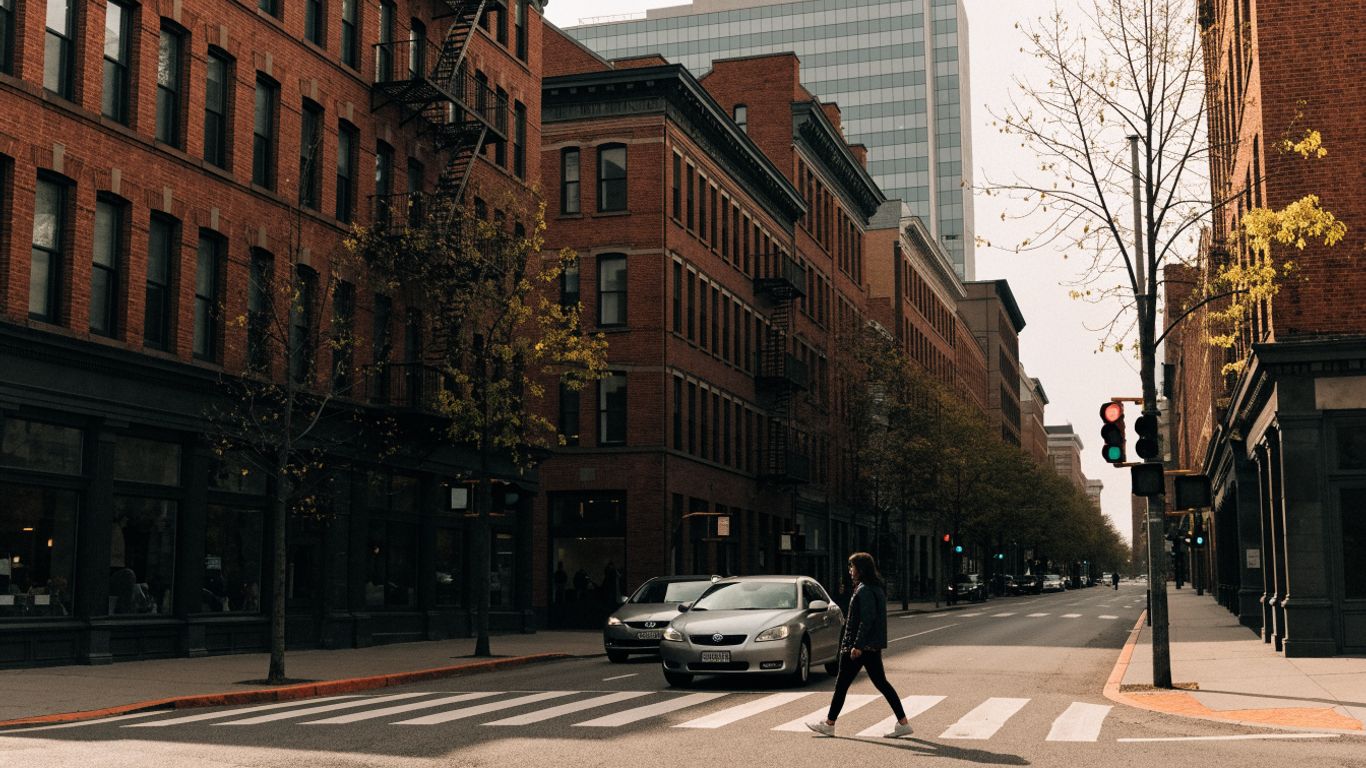
Pedestrians are more exposed to injury than people inside vehicles, and collisions can cause serious harm even at relatively low speeds. That practical vulnerability is one reason careful driving around crossings and sidewalks matters. It does not, however, mean that every collision automatically makes the driver liable.
Responsibility is assessed using the evidence, including statements, photographs, witness accounts, and relevant records. A driver’s conduct may be considered alongside a pedestrian’s actions and the conditions at the scene. If you are unsure how those facts affect your case, avoid treating an early insurance position as the final word on liability.
What If the Pedestrian Was Partly at Fault?
You may still be able to pursue a claim if you share some responsibility for the collision. Ontario law can apportion fault between the people involved, and a finding that you contributed to the incident does not automatically erase every potential claim. The effect depends on the evidence and the type of recovery you are seeking.
For a claim against a driver, your share of responsibility may reduce the damages you can recover. The insurer or a court may consider factors such as where you crossed, what signals were present, the driver’s actions, visibility, and the speed of traffic. For example, crossing mid-block on a dark winter evening may be weighed differently from crossing at a signalled crosswalk, but no single detail necessarily decides the outcome on its own.
Accident benefits are a separate matter and may be available regardless of who caused the collision, subject to eligibility and policy rules. Be accurate when describing what happened, but do not guess or accept blame simply because you are uncertain. A careful review of the evidence can help distinguish what is known from what still needs to be established.
Steps to Protect Your Pedestrian Accident Claim
After a collision, your first priority is safety and medical care. Seek emergency help if needed, and arrange an assessment for injuries even if symptoms seem manageable at first. Tell healthcare providers how the incident happened and describe your symptoms as clearly as you can.
Once you are safe, preserve what you can without putting yourself at risk. Keep records of the date, time, location, weather, and road conditions; save photographs, witness contact details, and any correspondence from insurers. Write down how your injuries affect work and daily activities, and hold on to receipts for related expenses.
Notify the appropriate insurer and follow the instructions for making an accident benefits application. Deadlines and document requirements can apply, so do not delay while trying to assemble a perfect file. Be cautious about signing releases or making assumptions about fault before you understand what a document or statement may mean for your claim.
Talk to an Ottawa Car Accident Lawyer About a Pedestrian Injury
An Ottawa pedestrian accident lawyer can review how the collision happened, identify potential insurance sources, and explain which kinds of claims may fit your circumstances. That conversation can also help you understand what records to gather and what deadlines may matter. You do not need to know every legal detail before asking for guidance.
Bring any available insurance information, medical records, photographs, witness details, and letters from insurers to an initial discussion. If some of those items are missing, explain what you have already tried to obtain. A clear timeline of the collision and its effects can help make the conversation more useful.
Before choosing how to proceed, ask about the possible routes for recovery, the evidence each may require, and any risks or costs involved. A lawyer can assess the specifics, but no one can promise a particular result without a full review of the facts.
LMS Personal Injury Lawyers helps pedestrians injured in Ottawa understand their accident benefits and claims against at-fault drivers. Call +1 613-230-5787 or contact LMS Personal Injury Lawyers to book a free consultation.
Frequently Asked Questions
Can I claim compensation if I was hit while walking without my own auto insurance?
Possibly. A household member’s policy, the vehicle’s insurer, or another route under Ontario’s insurance rules may be relevant. The right source depends on your circumstances, so lack of your own policy does not by itself answer the question.
Do I have to prove the driver was at fault to receive accident benefits?
Accident benefits are generally separate from a fault-based claim, so you may be eligible even if responsibility is disputed. Coverage, benefit type, and eligibility requirements still apply.
Can I sue the driver who hit me?
You may be able to bring a claim if the driver’s negligence caused or contributed to your injuries and the applicable legal requirements are met. In Ontario, the driver generally carries the burden of proving the injury did not result from their negligence.
What if the driver left the scene?
Report the collision to police and notify the relevant insurer promptly. Record any details you remember, seek out witnesses if possible, and ask about available insurance or the Motor Vehicle Accident Claims Fund.
What if I was partly responsible for the collision?
You may still have options. Shared responsibility can affect the amount recoverable in a claim against a driver, while accident benefits follow separate rules.
What expenses can pedestrian accident benefits cover?
Depending on eligibility and the circumstances, benefits may help with medical and rehabilitation expenses, income replacement, or certain care needs. Ask the insurer what applies and keep supporting records.
What should I do after a pedestrian accident?
Get medical care, report the collision as appropriate, notify the relevant insurer, and preserve records such as photographs, witness details, receipts, and medical documents. Consider getting legal advice about your options and deadlines.