

Ottawa Motor Vehicle Accident Lawyers
Injured in Any Kind of Vehicle Collision? Ottawa’s Motor Vehicle Accident Lawyers Are Ready to Help.
Why You Need a Motor Vehicle Accident Lawyers
A motor vehicle accident is more than a car crash. Under Ontario law, the term covers nearly every collision involving a vehicle on the road, from motorcycles and transport trucks to city buses, rideshare vehicles, and incidents involving cyclists and pedestrians. Each of these brings its own injuries, insurance questions, and legal hurdles, and each one is something our team handles every day.
If a collision has left you injured, our Ottawa motor vehicle accident lawyers can help you understand where you stand and what your claim is genuinely worth. Book a free consultation to get started.
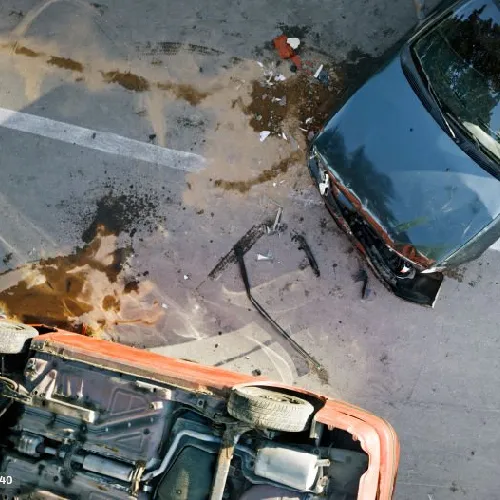
Every Vehicle on the Road, Every Type of Claim
Different vehicles cause different kinds of harm, and they trigger different insurance and liability rules. Knowing which framework applies to your collision is half the battle, and it is where experienced representation makes the difference.
Motorcycle CollisionsRiders have little between them and the road, so even a low-speed impact can cause life-altering injuries. Motorcycle claims also tend to carry unfair assumptions about rider fault, which we work to counter with evidence rather than stereotypes.
Transport Truck and Commercial Vehicle CollisionsCrashes involving tractor-trailers, delivery vans, and other commercial vehicles often involve serious injuries and multiple potentially responsible parties, including the driver, the trucking company, and sometimes a maintenance or loading contractor. These claims demand prompt investigation before logs and records disappear.
Bus and Public Transit IncidentsCollisions involving OC Transpo buses, school buses, or other public transit can raise special notice rules and shorter deadlines because a public body may be involved. Acting quickly protects your ability to claim.
Rideshare and Taxi CollisionsWhen you are injured as a passenger in a rideshare or taxi, or in a crash caused by one, coverage can come from more than one policy. We sort out which insurer is responsible, so you are not caught between companies pointing at each other.
Cyclist and Pedestrian CollisionsVulnerable road users often suffer the most severe injuries. Ontario’s accident benefits system still applies to you even when you were on foot or on a bike, and we make sure that coverage is not overlooked.
How Ontario's Motor Vehicle Accident System Actually Works
Ontario uses a hybrid system, and understanding it is the key to a full recovery. Most people are surprised to learn it has two separate tracks that run at the same time.
The first track is no-fault accident benefits. Regardless of who caused the collision, your own insurer provides benefits for medical care, rehabilitation, income replacement, and related needs. This is why even an at-fault driver can receive support.
The second track is the tort claim, a lawsuit against the person responsible for the crash. This is where compensation for pain and suffering and certain economic losses comes from, but only when your injuries clear Ontario’s legal threshold of permanent, serious impairment. A deductible can also apply to some awards.
Running both tracks correctly, at the same time and within their separate deadlines, is one of the main reasons injured people benefit from a lawyer. Mistakes on one track can quietly undermine the other.
The Deadlines That Can Make or Break Your Claim
Ontario’s system is unforgiving about timing. A few of the deadlines that matter most:
- You generally must notify your accident-benefits insurer within 7 days of the collision and return the completed application within 30 days of receiving the forms.
- A denied benefit can be disputed at the Licence Appeal Tribunal, generally within 2 years of the denial.
- A lawsuit against the at-fault party is normally subject to a 2-year limitation period, though collisions involving a municipality or a public transit body may have much shorter notice requirements.
Because these clocks start on different dates and run in parallel, it is easy for an unrepresented person to miss one without realizing it. Early legal advice keeps every option open.
What Your Claim May Include
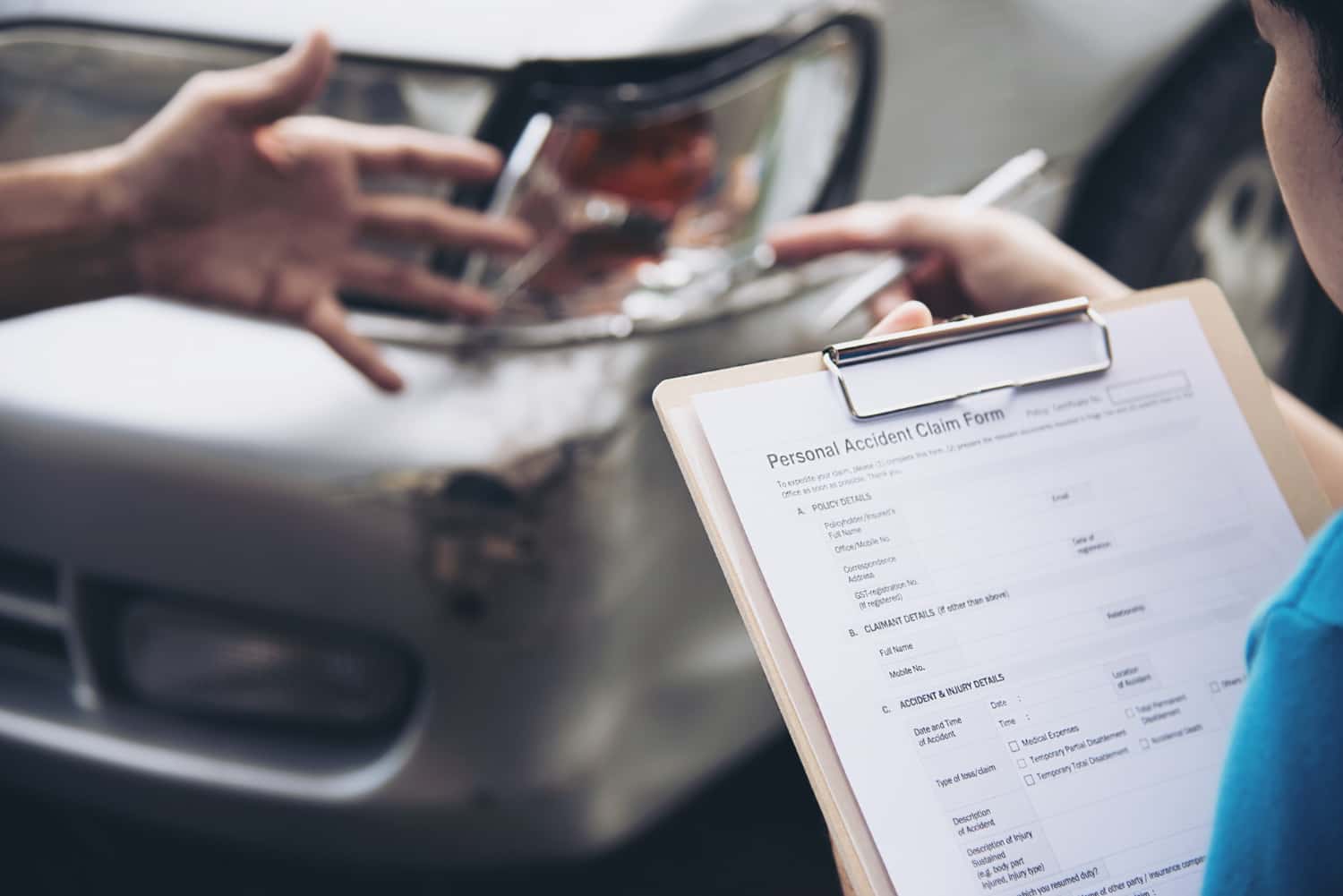
The value of a motor vehicle accident claim reflects far more than your initial medical bills. Depending on your circumstances, compensation may cover ongoing treatment and rehabilitation, income you have lost and the income you can no longer earn in the future, attendant care and housekeeping support, out-of-pocket expenses, and damages for pain, suffering, and the loss of enjoyment of life. In catastrophic and fatal cases, family members may also have claims of their own. We build your file to capture the full, long-term picture rather than the short-term snapshot an insurer prefers.
Proving Fault When More Than One Party Is Involved
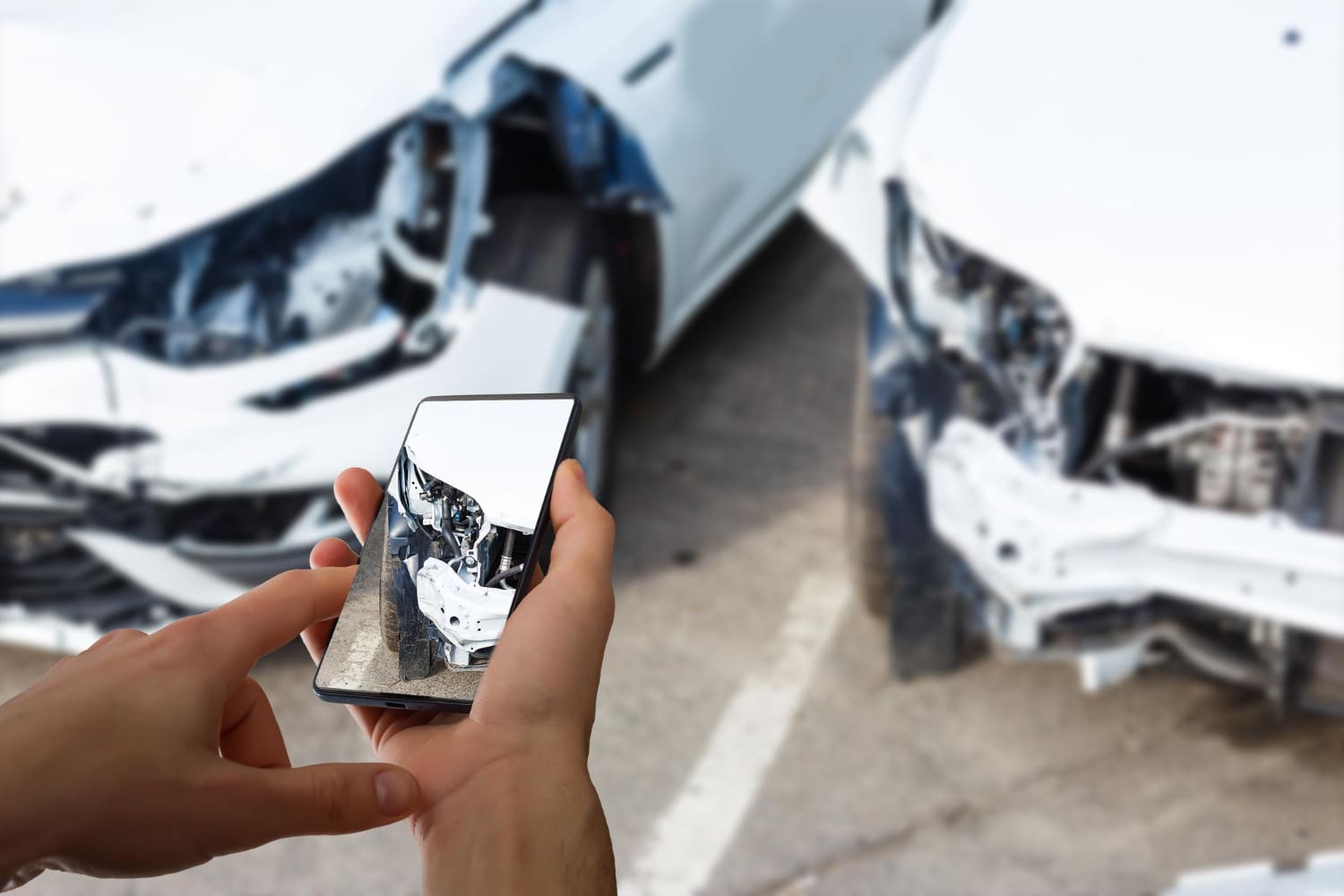
Many motor vehicle collisions are not a simple matter of one driver versus another. A transport truck crash may implicate a trucking company’s scheduling practices. A multi-vehicle highway pileup may involve several drivers and competing accounts. A poorly maintained roadway or a defective vehicle part can shift responsibility onto a government body or manufacturer. Our lawyers investigate the full chain of responsibility, work with reconstruction and medical experts where needed, and pursue every party whose negligence contributed to your injuries.

Why Injured Ottawa Residents Choose LMS Personal Injury Lawyers
Our firm has represented accident victims across Ottawa and the Ottawa Valley for more than three decades, and that longevity shows in how we handle complex, multi-party claims. We serve clients in English, French, and Arabic, maintain four office locations across the region for convenient access, and draw on nine practice areas so that related issues, such as long-term disability or an insurance dispute, can be handled under one roof. Throughout, we work on a contingency basis: there are no fees unless we settle or win your case.
Frequently Asked Questions
Is a motor vehicle accident claim different from a car accident claim?
Legally, “motor vehicle accident” is the broader term Ontario uses, and it covers cars, motorcycles, trucks, buses, and more. The accident-benefits system applies across all of them, but the liability investigation and the insurance coverage involved can differ significantly depending on the type of vehicle. If your collision specifically involved a passenger car, you may also find our car accident lawyer page helpful.
I was a passenger, not a driver. Can I still claim?
Yes. Passengers are among the most clearly entitled claimants, because they are rarely at fault for the collision. You can typically access accident benefits and, where applicable, pursue the at-fault driver, who may even be the driver of the vehicle you were riding in.
What if the other driver was uninsured or fled the scene?
Ontario coverage anticipates this. Uninsured and unidentified motorist provisions, along with your own policy, can provide a route to compensation even when the responsible driver carries no insurance or cannot be found. We identify which coverage applies in your situation.
Does it matter that I was partly responsible for the crash?
Not as a barrier to claiming. Ontario follows contributory negligence rules, so you can still recover even if you share some blame, with compensation adjusted to reflect your portion of responsibility. It is always worth having your case assessed rather than assuming you have none.
How much does it cost to hire your firm?
Nothing upfront. We act on a contingency basis, meaning our fee is a percentage of the compensation we recover and applies only if your claim succeeds. We will walk you through the details, including any disbursements, before you commit to anything.
Talk to an Ottawa Motor Vehicle Accident Lawyer Today
Whatever you were driving, riding, or walking beside when the collision happened, you do not have to navigate the aftermath alone. Contact LMS Personal Injury Lawyers for a free, no-obligation consultation, and let us handle the insurers while you focus on getting better.
Meet Our Ottawa Lawyers
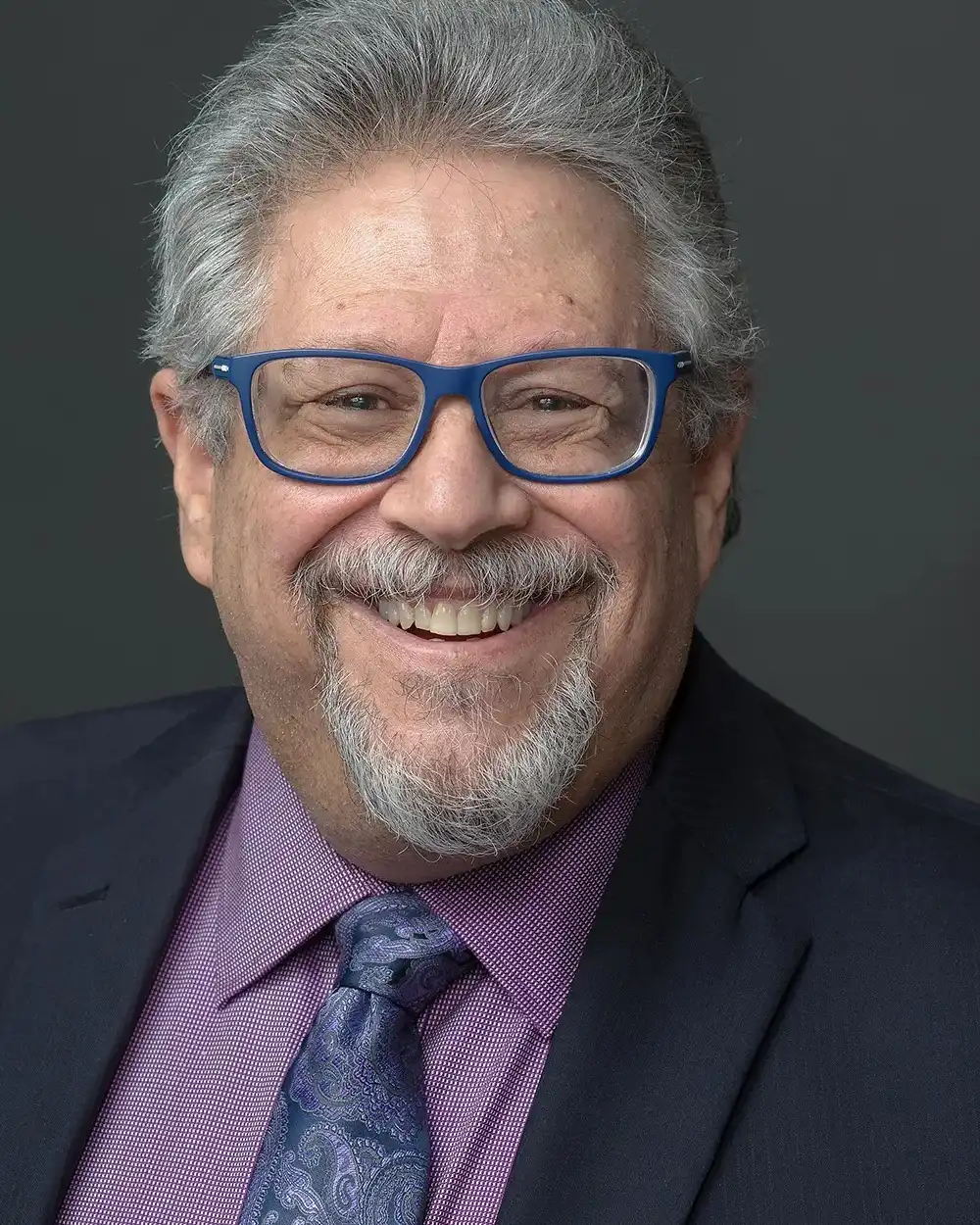
Russ Molot
Russ Molot brings a client-first approach to personal injury, family law, and disability claims. Fluent in English and French, Russ takes the complexity out of the legal process for Ottawa residents at some of the most stressful moments of their lives.
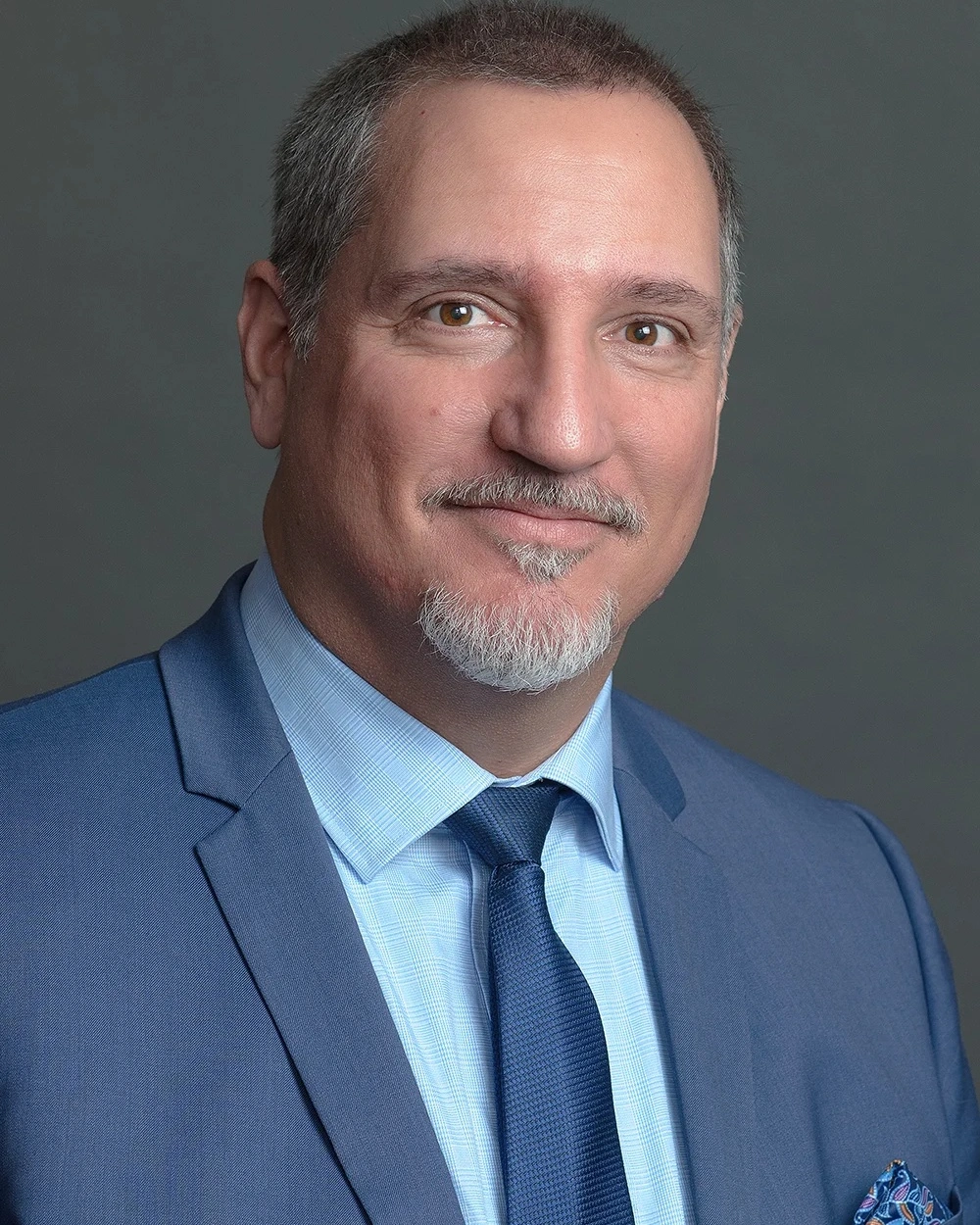
David Capra
David Capra has represented Ottawa accident victims for over two decades, handling motor vehicle accidents, medical malpractice cases, and slip-and-fall claims. He is known for his thorough case preparation and his commitment to pursuing maximum compensation for every client he takes on.