

Ottawa Medical Malpractice Lawyers
When Trusted Medical Care Causes Harm, We Hold Them Accountable
A preventable medical error can change your life in a moment. At LMS Personal Injury Lawyers, our Ottawa medical malpractice lawyers stand up to hospitals, doctors, and their well-funded defence teams to pursue the full compensation you and your family deserve.
Supporting Victims of Medical Negligence Across Ottawa
Medical malpractice cases in Ontario are among the most aggressively defended legal claims you will ever encounter. When a patient is harmed by a physician’s negligence, that physician is almost certainly backed by the Canadian Medical Protective Association (CMPA) — an Ottawa-based mutual defence organization with approximately $3 billion in resources that hires some of the largest law firms in the country and retains multiple medical experts on the defence side.
The CMPA is known in legal circles for its “scorched-earth” approach to defending physicians. According to the CMPA’s own data, in 2021, out of 958 resolved cases, only 354 resulted in a settlement or judgment for the plaintiff — roughly 37% of cases. That is the landscape injured Ottawa patients are stepping into when they pursue a claim.
What this means in practice: you cannot take on the CMPA with a general personal injury lawyer in Ottawa. You need a legal team that understands the terrain, has built relationships with credible independent medical experts, and has the resources and determination to see these cases through. That is exactly what LMS Personal Injury Lawyers brings to Ottawa medical malpractice cases.
Injured due to someone else’s negligence? Our team is here to provide trusted legal guidance and help you understand your options.
What Counts as Medical Malpractice in Ontario?
A bad outcome is not automatically malpractice. Medicine involves real risk, and even careful, competent treatment can fail. Medical malpractice arises when a healthcare provider falls below the standard of care — the level of skill and judgment a reasonably competent provider in the same specialty would have applied in the same circumstances — and that failure directly causes harm to the patient.
The standard of care in Ontario is assessed at the provincial and national level: a physician in Ottawa is expected to practice at the same standard as other physicians in the same specialty across Ontario and Canada. This standard is confirmed by the Supreme Court of Canada’s ruling in ter Neuzen v. Korn (1995), affirmed in Armstrong v. Ward (2021).
In other words, the question is not simply “did something go wrong?” but “did the provider act negligently, and did that negligence cause the injury?” Drawing that line requires experienced legal and independent medical analysis — which is exactly why these cases must be assessed carefully before proceeding.
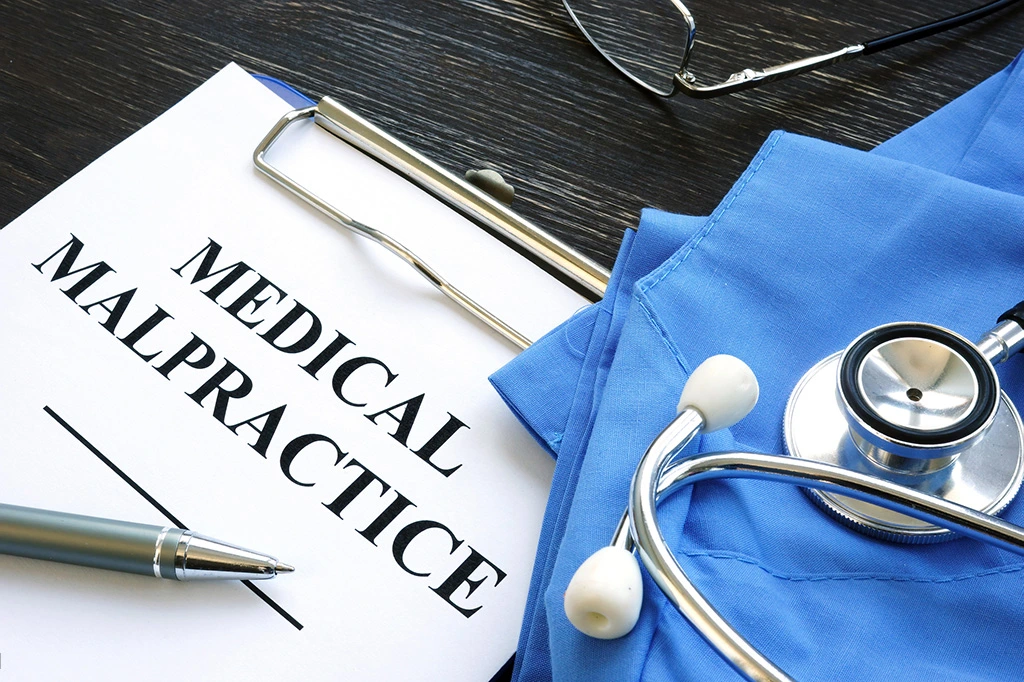
Types of Medical Malpractice Cases We Handle in Ottawa
Negligence can occur at almost any point in the care process. Our Ottawa medical malpractice lawyers handle cases involving:
-
Misdiagnosis, missed diagnosis, or delayed diagnosis
Particularly of cancer, cardiac conditions, infections, and strokes, where time lost is directly tied to outcome
-
Surgical errors
Operating on the wrong site, leaving instruments behind, and anaesthesia mistakes
-
Birth injuries
Injury to the mother or the child caused by negligent prenatal or delivery care
-
Medication and pharmacy errors
Wrong drug, wrong dose, harmful drug interactions, or failure to monitor for side effects
-
Improper care or monitoring
By doctors, nurses, hospitals, or support staff, including cases arising at The Ottawa Hospital, CHEO, Queensway Carleton Hospital, and Montfort Hospital
-
Failure to obtain informed consent
Treating a patient without properly explaining the risks, alternatives, and nature of the procedure
-
Negligent cosmetic procedures
-
Dental errors
A dentist’s mistake resulting in serious injury
-
Emergency room errors
Failure to triage appropriately, missed time-critical diagnoses, or premature discharge
One thing we tell every new client: the most common reason strong cases fail early is insufficient expert evidence on the patient’s side. The CMPA will bring qualified specialists to contest every element of your claim. We build our cases with the same rigour, drawing on a wide network of independent medical experts across North America who have experience testifying in Ontario proceedings.
How to Prove Medical Negligence in Ontario
A successful medical malpractice claim in Ontario requires establishing four elements:
- Duty of care — That a treatment relationship existed between you and the provider. This is typically straightforward once care was rendered.
- Breach of the standard of care — That the provider’s actions (or inaction) fell below what a reasonably competent provider in the same specialty would have done. This almost always requires supporting expert opinion from an independent specialist.
- Causation — That the breach directly caused your injury, rather than the underlying illness or an unrelated factor. This is where most Ottawa medical malpractice cases are won or lost. The defence will argue that your harm arose from your original condition, not from anything the physician did. Meeting this burden requires carefully constructed expert evidence that links the negligent act specifically to the outcome you suffered.
- Damages — That you suffered real, documented harm as a result.
A note on causation that most people don’t hear until it’s too late: In our experience, causation is consistently the hardest element to establish — and the one the CMPA’s defence team attacks most aggressively. A case where the standard-of-care breach is obvious can still fail if causation is not solidly built. This is why we assess causation closely at the outset, before advising a client to proceed.


Compensation Available in an Ottawa Medical Malpractice Claim
Compensation in a medical malpractice case is built around the full, long-term impact of the harm — not just the immediate costs.
Future care costs are where insurance defence teams fight hardest — and where most under-settled cases lose the most money. A client with a serious injury from a surgical error may need significant ongoing care for decades. The CMPA’s defence will commission their own future care report with lower projections. We commission ours independently. The difference between those two numbers is often the difference between a settlement that covers your actual needs and one that runs out years too early.
A properly built Ottawa medical malpractice claim pursues:
- Past and future medical and rehabilitation costs — ongoing treatment, therapy, assistive devices, and future care needs assessed by independent experts
- Lost income and reduced earning capacity — wages lost during recovery and, where the injury affects your ability to work long-term, the projected future income differential
- Attendant care costs — the cost of personal care assistance if your injuries require it, calculated to reflect your actual long-term needs
- Out-of-pocket expenses — travel, medication, home modifications, and other costs directly tied to the injury
- Pain and suffering, and loss of enjoyment of life — non-pecuniary general damages for the personal impact of the harm
Because serious medical errors often have lifelong consequences, we build each claim around the complete long-term picture — not just what has happened so far. We do not settle until that picture is fully established.
When a Family Member Is Harmed: Family Law Act Claims
The impact of a serious medical error is rarely confined to the patient. Under Section 61 of Ontario’s Family Law Act, certain close family members — spouses (including common-law partners who lived together for at least three years, or who had a child together in a relationship of permanence), children, grandchildren, parents, grandparents, and siblings — may claim compensation for:
- Loss of care, guidance, and companionship of the injured or deceased person
- Expenses they personally incurred as a result of the injury
- The care they personally provided to the injured family member
If a loved one has died as a result of medical negligence, the estate may also have a separate claim under the Trustee Act for pre-death pain, suffering, and medical expenses. Both claims are often pursued together but must be carefully structured to avoid double-recovery.

Ottawa Medical Malpractice Self-Assessment
A few quick questions to help you describe your situation before speaking with a lawyer. Takes about a minute.
Challenges of Medical Malpractice Claims in Ottawa
Patients in Ottawa who are harmed by a physician are almost always up against the CMPA, headquartered here in Ottawa, and one of the most well-resourced medical defence organizations in the world. Hospitals such as The Ottawa Hospital, Queensway Carleton, CHEO, and Montfort have their own institutional insurers and legal teams as well.
What we have observed across the cases we handle: the CMPA does not settle cases simply because settlement is cheaper. It is structured to protect physicians’ reputations and will defend cases even when a settlement would be the more economical path. This means that families who pursue legitimate claims against Ottawa physicians need to be prepared for a long, well-contested process — and represented by lawyers who will not back down from that.
We have built our expert network and our case preparation process specifically to meet that standard.
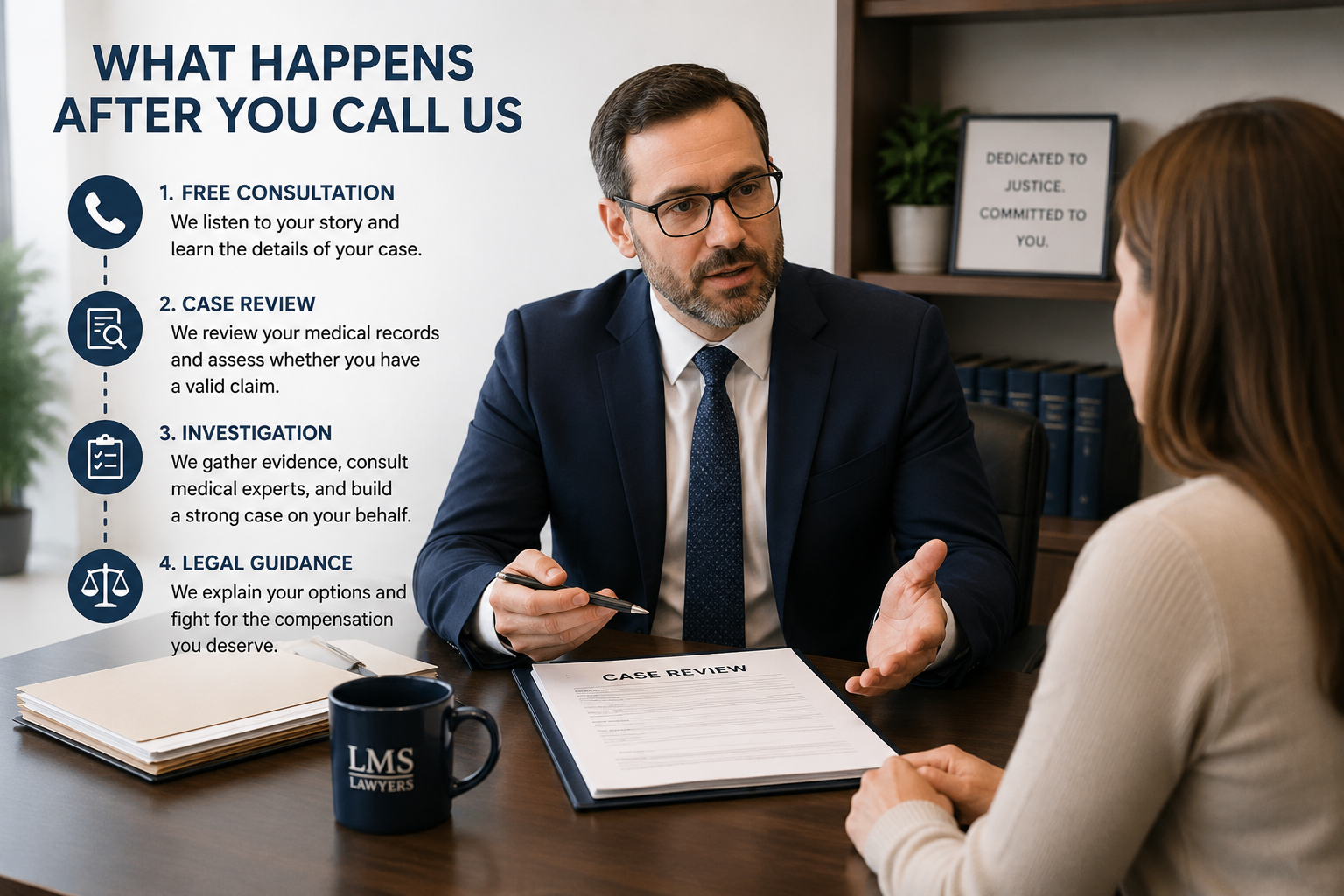
What Happens After You Call Us
We know that the period after a medical error is overwhelming — physically, emotionally, and practically. Here is what our process looks like from the moment you contact us:
Free case evaluation. We listen to what happened, review the circumstances, and give you an honest assessment of whether your situation warrants further investigation. There is no charge and no obligation.
Medical records review. We obtain and review your full medical records, identifying the specific points in your care where the standard of care may have been breached. This is the foundation of every case.
Independent expert consultation. We engage independent medical specialists in the relevant field to assess the standard of care and causation. The quality of expert evidence is what separates claims that succeed from those that don’t.
We handle all communication. From the moment you retain us, all contact with hospitals, insurers, and the CMPA goes through our office.
Case building and resolution. We build your claim around the full long-term picture of your damages. We negotiate from strength, and if the defence won’t offer fair compensation, we proceed to litigation.
Don’t Wait — Strict Time Limits Apply
Medical malpractice claims in Ontario are governed by a two-year limitation period under the Limitations Act, 2002, which begins when you discovered — or reasonably ought to have discovered — that you had a claim.
What “discovery” means in practice: The clock does not necessarily start on the date of the negligent act. Courts have held that a claim is “discovered” when a plaintiff has actual or inferred knowledge of the material facts from which a plausible inference of liability can be drawn. In medical cases, where the connection between negligent care and a later injury is not always immediately apparent, this date can be genuinely difficult to pin down.
Key exceptions to be aware of:
- Minors: If the injured person was under 18 at the time of the negligence, the two-year period does not begin until they turn 18, provided no litigation guardian commenced the claim earlier
- Incapacity: If the injured person lacks the capacity to bring a claim, the limitation period does not run during the period of incapacity without a litigation guardian
- Concealment: Where a medical professional or institution deliberately concealed their negligence, Ontario courts have held this can pause the running of the limitation period until the patient could reasonably discover the cause of action (Giroux Estate v. Trillium Health Centre, 2005 ONCA)
- Ultimate limitation period: Under s. 15 of the Limitations Act, 2002, no claim can be brought more than 15 years after the act or omission, regardless of discovery
Do not assume you are out of time, and do not assume you have plenty of time. The safest course is always to speak with a lawyer as promptly as possible.

Speak with an Ottawa Medical Malpractice Lawyer Today
If substandard medical care has harmed you or someone you love, you deserve answers and an advocate who understands what you are up against. Call 613-230-5787 or contact us online to arrange a free consultation. We take on the hospitals, physicians, and their defence teams — so you can focus on recovery.
No fees unless we win or settle your case.
Frequently Asked Questions
What is medical malpractice?
Medical malpractice occurs when a healthcare provider — doctor, nurse, hospital, or other regulated professional — fails to meet the accepted standard of care in their field, and that failure causes harm to a patient. Not every adverse medical outcome is malpractice. The distinction is whether a reasonably competent provider in the same specialty would have acted differently in the same circumstances.
How do I know if I have a medical malpractice case?
In most cases, you cannot know for certain without a review of your medical records by independent experts. The difference between an unfortunate but acceptable outcome and genuine negligence is a medical and legal question — not one patients can typically assess on their own. A free consultation is the right first step. We review the circumstances honestly and tell you whether we believe the case has merit.
What is the difference between a misdiagnosis and a missed diagnosis?
A missed diagnosis means a condition was completely overlooked — the physician failed to identify that anything was wrong. A misdiagnosis means the condition was identified incorrectly — the wrong diagnosis was made, leading to wrong or delayed treatment. Both can form the basis of a medical malpractice claim if the error falls below the standard of care and causes harm. Delayed cancer diagnosis is one of the most common forms we see in Ottawa cases.
What is informed consent and when does it become a malpractice issue?
Informed consent is the process by which a healthcare provider explains the risks, benefits, alternatives, and nature of a proposed treatment or procedure before the patient agrees to it. Under Ontario law, a patient must be given the information a reasonable person in their position would want to know before making that decision. When a provider fails to obtain proper informed consent and the patient suffers harm from a risk they were never told about, this can give rise to a malpractice claim even if the procedure itself was performed correctly.
Can I sue a hospital directly for medical malpractice in Ottawa?
Yes. Hospitals in Ontario can be held liable for the negligence of their employees — including nurses, residents, and other employed staff — under the principle of vicarious liability. Where a hospital’s own systems, policies, or institutional failures contributed to the harm, the hospital may also have direct liability. Claims against hospitals such as The Ottawa Hospital, Queensway Carleton, CHEO, or Montfort are handled differently than claims against individual physicians — the CMPA typically defends physicians, while hospitals have separate institutional defence counsel.
How long does a medical malpractice case take in Ottawa?
Medical malpractice cases in Ontario typically take longer than other personal injury claims. A case that settles without going to trial may be resolved in two to four years. Cases that proceed to trial can take five to seven years or longer. The complexity arises from the records review, expert report exchange, examination for discovery, and the CMPA’s willingness to defend cases that other defendants might settle. We tell every client this at the outset — because understanding the timeline helps you make informed decisions about your claim.
How long do I have to bring a medical malpractice claim in Ottawa?
Generally, two years from when you discovered — or reasonably ought to have discovered — that you had a claim, under Ontario’s Limitations Act, 2002. Because that discovery date can be difficult to identify in medical cases, you should not assume you are out of time, and you should not assume you have two full years from today if the incident happened months ago. An absolute limit of 15 years from the date of the act or omission also applies. Speak with a lawyer promptly.
Will I have to sue my doctor personally?
Not necessarily. Claims are often directed at hospitals, institutions, and their insurers — not just at individual physicians. Where a physician is involved, the CMPA handles and funds their defence. Many clients are also motivated by a desire to prevent the same error from happening to someone else, and pursuing a claim is one of the few mechanisms that creates accountability in the medical system.
How much does it cost to hire an Ottawa medical malpractice lawyer?
We work on a contingency fee basis. There are no upfront costs or hourly fees. Our fee is a percentage of what we recover for you, explained fully before you decide to proceed. This structure allows you to pursue a well-resourced defendant — including the CMPA — without financial risk during the claim process.
Why do medical malpractice cases take longer than other injury claims?
Medical malpractice claims require detailed records review, independent expert analysis, complex causation arguments, and expert testimony from both sides, against a defence team that is specifically funded and structured to contest every element of your claim. That thoroughness takes time. But it is also what builds a claim strong enough to succeed against one of the best-funded defence organizations in the country.
Meet Our Ottawa Lawyers
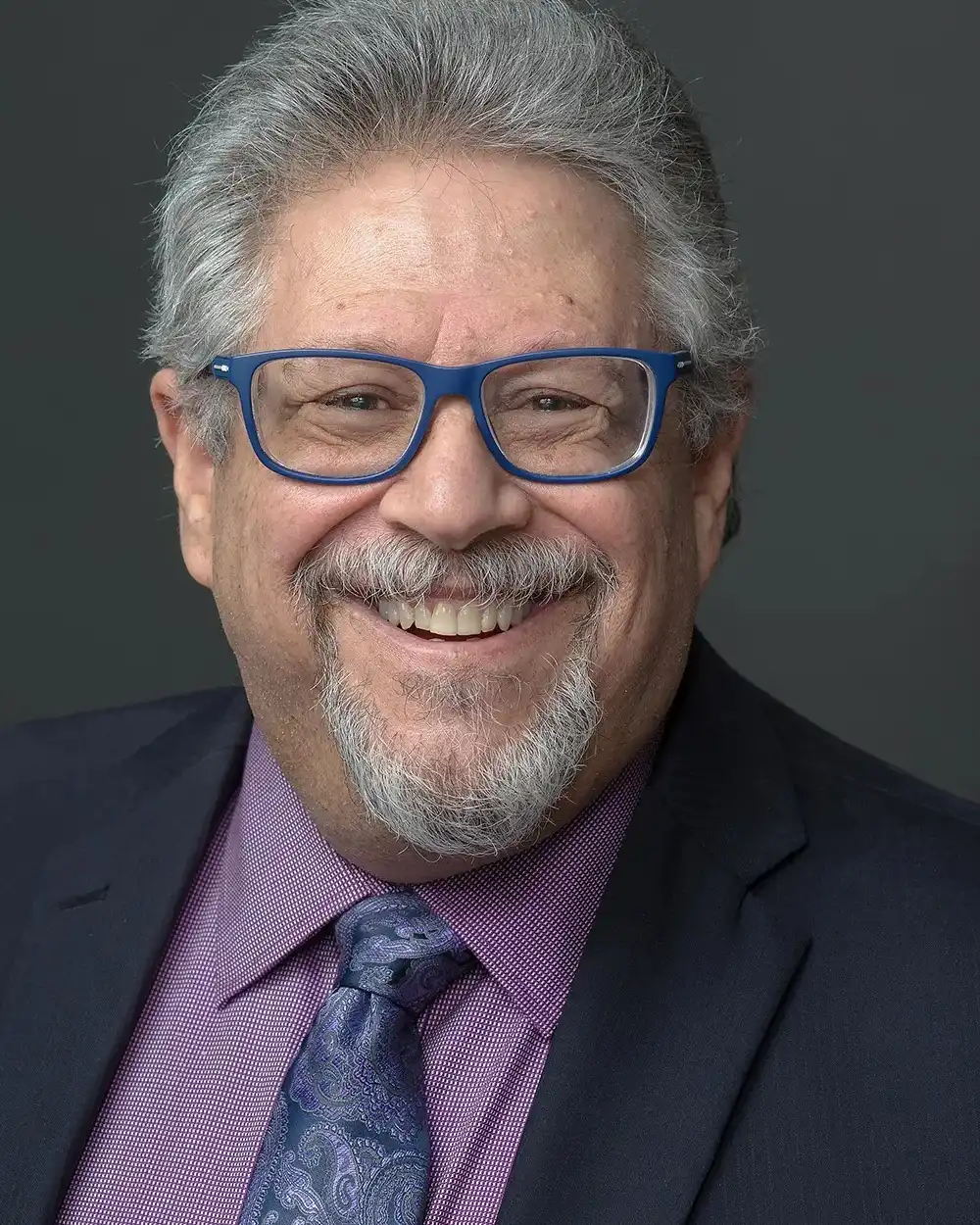
Russ Molot
Russ Molot brings a client-first approach to personal injury, family law, and disability claims. Fluent in English and French, Russ takes the complexity out of the legal process for Ottawa residents at some of the most stressful moments of their lives.
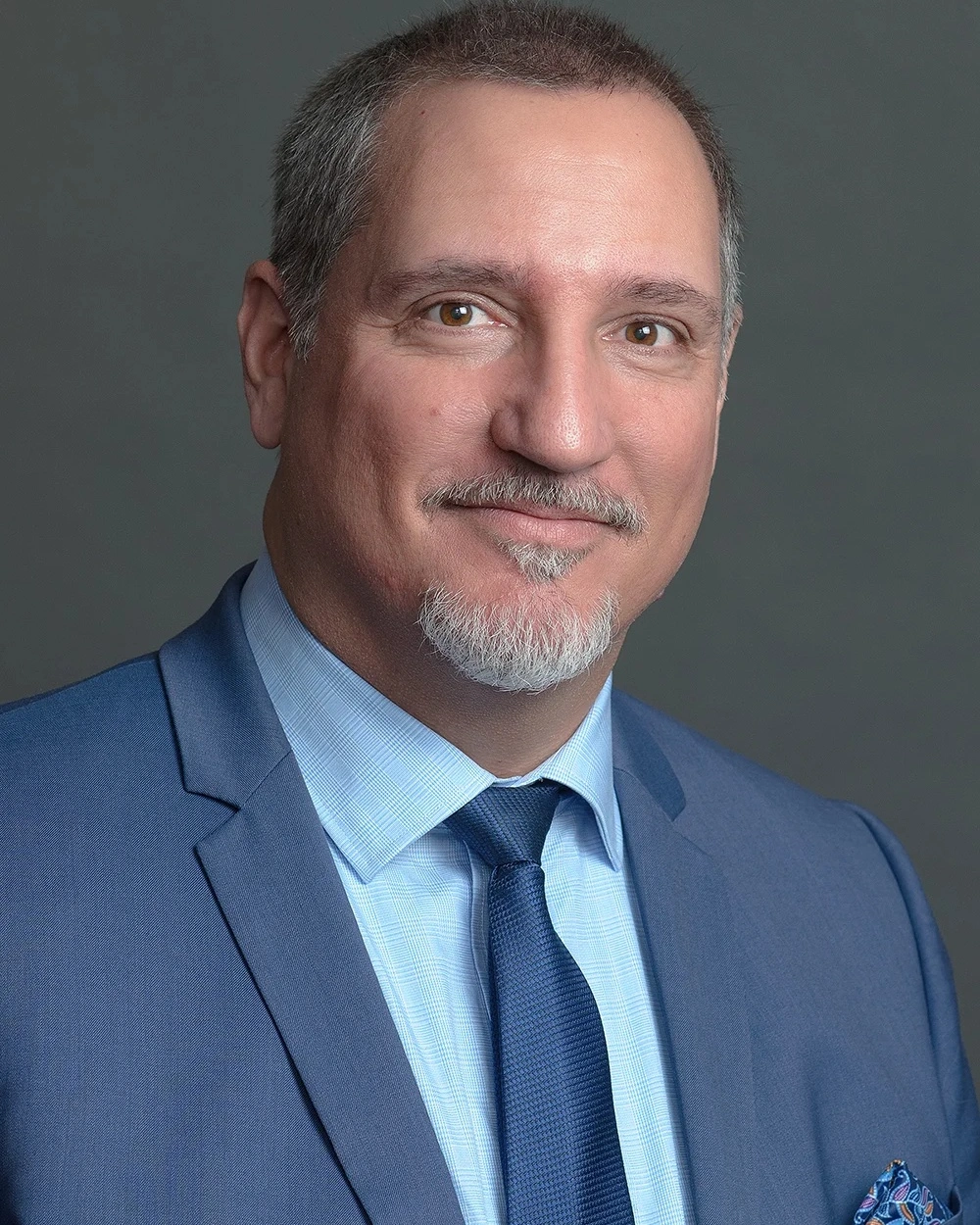
David Capra
David Capra has represented Ottawa accident victims for over two decades, handling motor vehicle accidents, medical malpractice cases, and slip-and-fall claims. He is known for his thorough case preparation and his commitment to pursuing maximum compensation for every client he takes on.